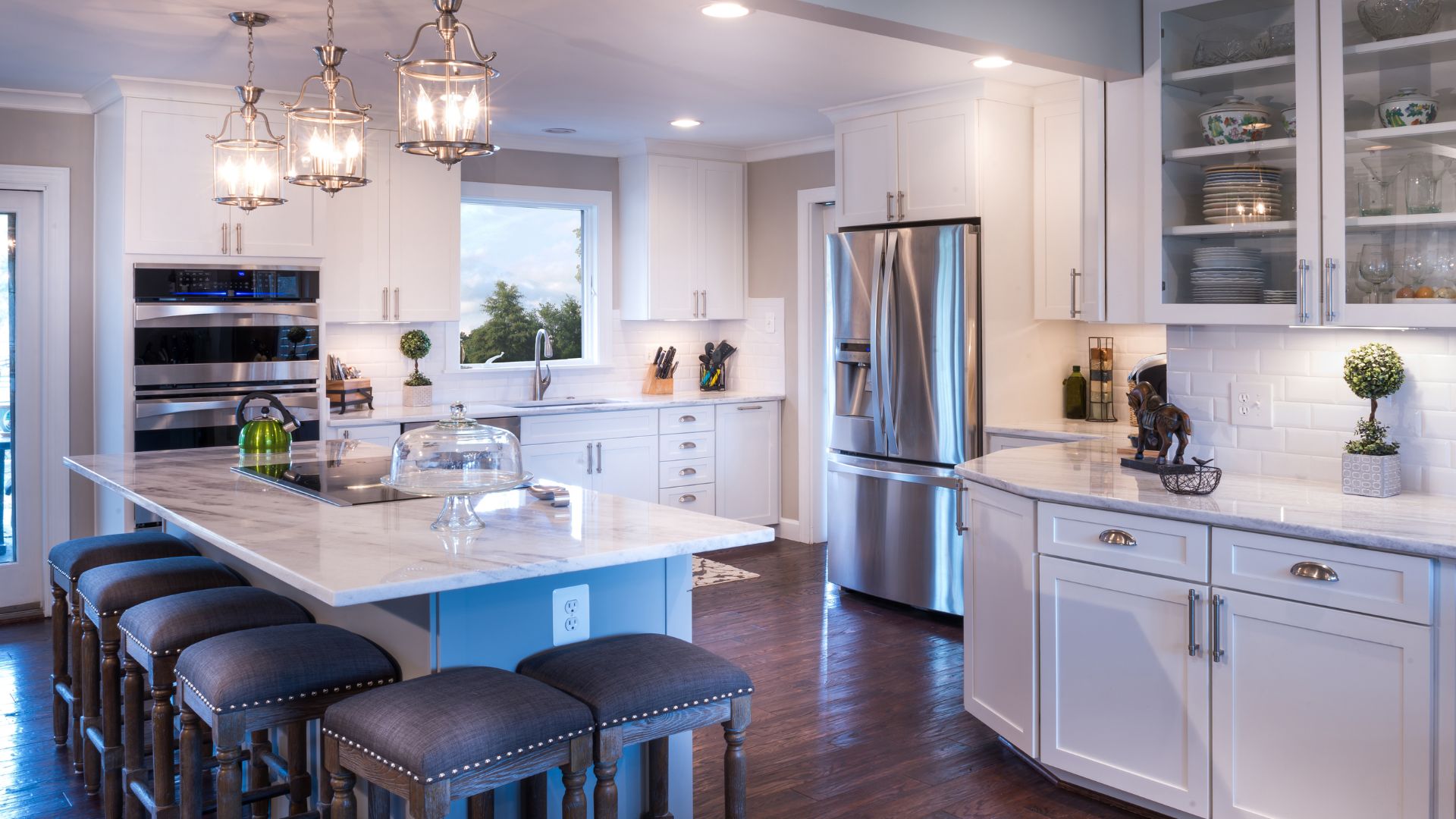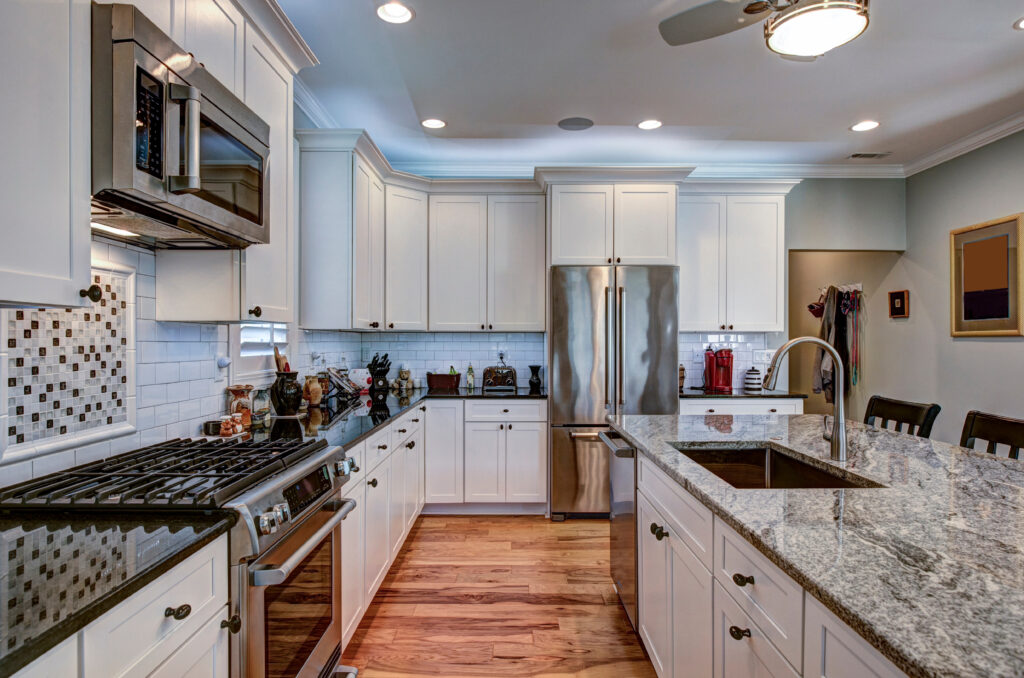
You stand in your kitchen looking at worn countertops and realize it’s time for an upgrade. You’re suddenly facing one of the biggest decisions: quartz vs granite countertops. Both materials dominate the countertop market for good reasons. They offer durability, style, and long-term value. They also represent a significant investment in your home. Making the right choice the first time saves you from costly mistakes.
People visit three or four countertop store before making a final decision, and they leave each one more confused than when they walked in. This guide breaks down everything you need to know about quartz vs granite countertops. You’ll learn the real differences between these materials, not just marketing claims. By the end, you’ll understand which option fits your home, budget, and lifestyle.
Breaking Down the Basic Differences
What Makes Granite Truly Natural?
Miners extract massive granite slabs from quarries around the world, cutting into stone that formed millions of years ago. Heat, pressure, and mineral composition deep underground created the unique patterns in each piece. No two granite surfaces ever look identical because of this natural formation process.
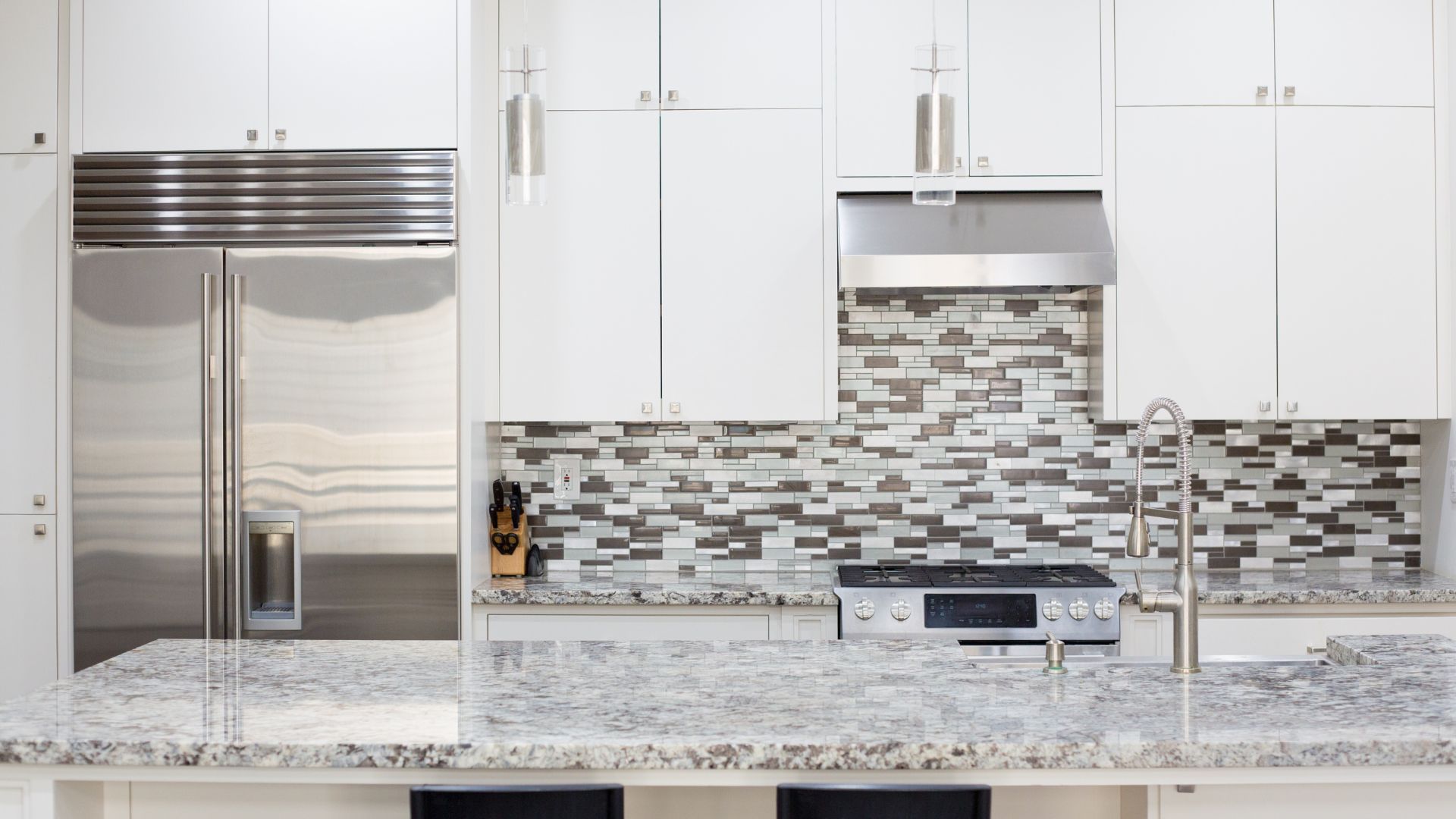
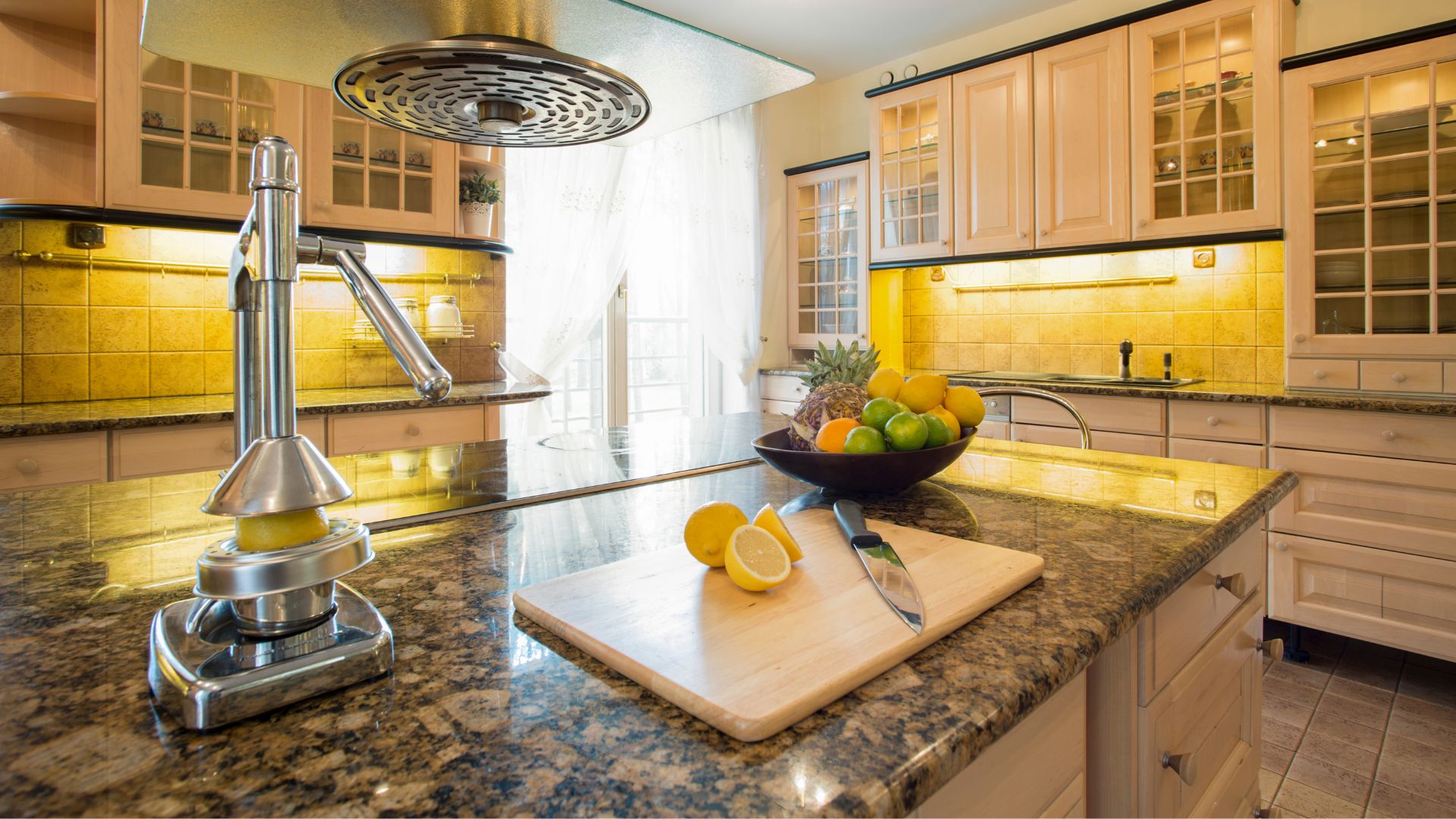
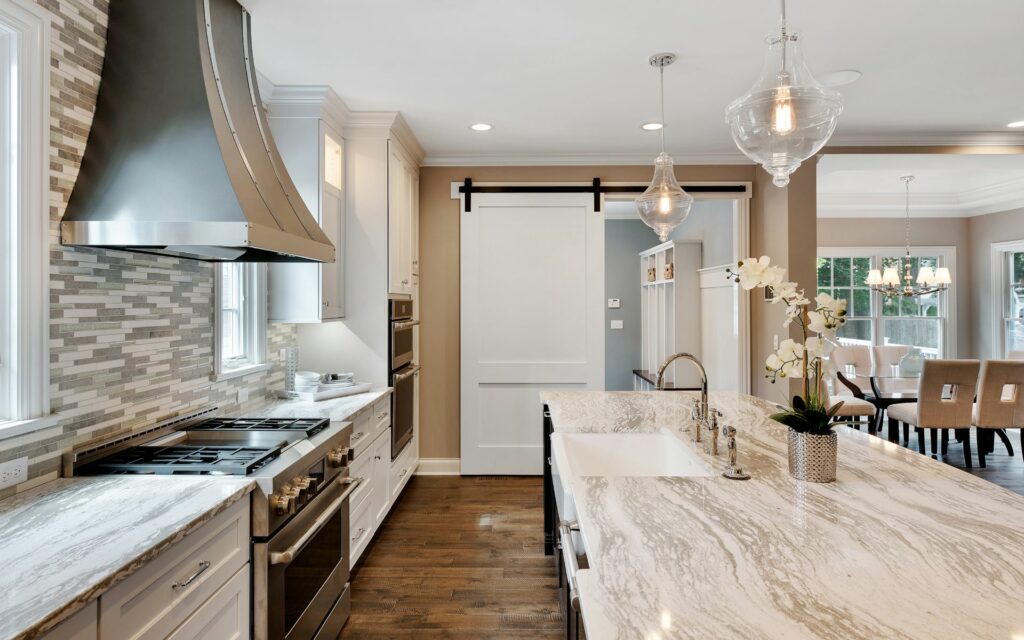
When you select granite countertops, you’re choosing a one-of-a-kind piece of natural stone. Veining, color variations, and mineral deposits create visual depth that changes as light hits the surface throughout the day. Some homeowners appreciate this organic unpredictability. Others prefer the consistency that comes with manufactured materials.
Fabricators cut these slabs to fit your specific kitchen dimensions and polish the surface to bring out the stone’s inherent beauty. Installation gives you a countertop with natural character that synthetic alternatives struggle to replicate.
The Engineering Behind Quartz Surfaces
Manufacturing engineered quartz countertops follows a completely different process. Companies combine crushed quartz crystals with polymer resins and pigments to create a uniform product. The mixture typically contains 90-94% natural quartz, with the remaining percentage consisting of binding agents and colorants.
This engineering delivers consistency across your entire countertop material. You get predictable color and pattern without the natural variations found in granite. Seeing a sample tells you exactly how your finished countertops will look.
Design flexibility with engineered stone surfaces exceeds what natural materials provide. Manufacturers produce everything from solid colors to intricate patterns that mimic marble, granite, or concrete. You select the precise aesthetic you want without depending on what nature provides.
Durability: How Each Material Holds Up
Hardness and Scratch Resistance
Both materials rank high on the Mohs hardness scale, which measures mineral resistance to scratching. Testing shows granite typically scores between 6 and 7, while engineered quartz hits around 7. These ratings mean both options resist scratches from normal kitchen activities like food preparation and daily use.
Your knives won’t damage either surface during regular cutting tasks, though you’ll dull your blades quickly if you skip the cutting board. Accidental impacts and dropped objects pose the real test. Sharp corners on heavy pots or dropped glass dishes create the greatest risk to both materials.
Heavy impacts create different problems for each surface. Chips often appear along edges where granite is thinner, especially near sink cutouts or corners. Similar vulnerability shows up in quartz at edges and seams. Neither material is immune to damage from serious impacts.
Heat Tolerance
Formation under extreme temperatures and pressure deep in the earth’s crust gives granite countertops superior heat resistance. Placing hot pots and pans directly on the surface won’t cause immediate damage to the material.
Resin content in quartz countertop materials creates definite heat limitations. The polymer binders that hold crushed quartz crystals together start breaking down at temperatures around 300°F. Extended exposure to high heat causes discoloration, warping, or surface cracks that require professional repair.
According to HGTV, temperatures up to 1,200°F won’t damage granite before it shows signs of stress. This heat tolerance makes it the better choice for homeowners who frequently work with hot cookware or do extensive baking and roasting.
Impact Resistance
Natural fissures and variations in density within granite slabs sometimes create weak points. These areas might crack under sufficient force, though such cracks typically don’t compromise the countertop’s structural integrity.
Resin content in quartz slabs provides slight flexibility that absorbs impacts somewhat better. The material handles minor bumps and dropped items without immediate visible damage. Heavy impacts still cause chips and cracks that require professional attention.
Both countertop materials need expert repair if you damage them beyond surface-level scratches. Prevention remains your best strategy, so handle heavy cookware carefully around edges and corners where vulnerability shows the most.
Quartz vs Granite Maintenance Requirements
Daily Cleaning for Quartz vs Granite
Non-porous composition makes engineered quartz countertops require minimal daily maintenance. Wiping them down with mild soap and warm water after meal preparation does the job. The sealed surface doesn’t absorb spills or harbor bacteria in microscopic pores.
Sealed granite resists most stains, but you should wipe up acidic liquids like lemon juice, wine, or tomato sauce relatively quickly. Natural stone absorbs these substances if they sit too long on the surface.
Routine kitchen messes don’t require special cleaning products for either material. Avoid abrasive scrubbers or harsh chemicals that might damage the surface finish. A soft cloth or sponge with regular dish soap handles most daily cleaning needs for both countertop materials.
Sealing Requirements
Periodic sealing maintains stain resistance in natural stone countertops. Most granite surfaces require resealing every one to three years, depending on the specific stone variety and your kitchen use patterns. Dense granite varieties need sealing less frequently, while more porous types need annual treatment.
Testing your granite takes only a moment. Place a few drops of water on the surface. Water that beads up and sits on top means your seal is working. Absorption that creates a dark spot signals you need to reseal the countertop soon.
Manufacturers create engineered stone countertops as non-porous surfaces from the start, so they never need sealing. Resin binders fill all gaps between crushed quartz crystals during production. This built-in protection saves you time and money over the countertop’s lifetime.
Stain Resistance
Engineered composition makes quartz countertops resist staining better than granite. The non-porous surface prevents liquids from penetrating into the material. Coffee, wine, oil, and most household substances wipe away without leaving marks if you clean them within a reasonable timeframe.
Density and sealing schedules determine how granite surfaces handle stains. Lighter colored varieties sometimes show stains more readily than darker options. Properly sealed surfaces handle most kitchen spills without permanent staining.
According to Angi, proper maintenance makes quartz countertops nearly impossible to stain. The same source notes that acidic substances require more vigilance with granite, and regular sealing maintains optimal stain resistance.
Cost Comparison
Material and Installation Expenses
Similar price ranges apply to both quartz and granite, though specific costs vary based on quality, color, and complexity. Basic options in granite start around $40-60 per square foot installed, while premium exotic varieties reach $100-200 per square foot or higher.
Installed engineered quartz countertops typically range from $50-150 per square foot. Standard colors and patterns cost less, while designer collections with unique appearances command premium prices. Professional expertise and specialized tools are required for installation of both materials.
Several factors beyond base material price determine your total project cost. Edge profiles, backsplash options, sink cutouts, and cooktop installations add to the final bill. Complex kitchen layouts with multiple corners and seams increase labor costs for both granite slabs and quartz slabs.
Resale Value and Ongoing Expenses
Adding value to your home and appealing to potential buyers happens with both materials. Real estate professionals consistently rank stone countertops among the top kitchen features that buyers want. The choice between quartz vs granite rarely affects resale value significantly.
Resealing costs every few years add to long-term ownership expenses with granite countertops. Professional sealing services typically charge $200-500 depending on your kitchen size. Some homeowners handle this task themselves with products from home improvement stores.
Sealing costs disappear with engineered stone countertops, but professional cleaning for stubborn stains or surface restoration might be needed after years of use. Replacement during normal home ownership periods isn’t necessary for either material. Both should last 20-30 years or longer with proper care.
Design and Aesthetic Options
Color and Pattern Variety
Natural stone formation produces the full spectrum of colors available in granite. Everything from deep blacks and blues to warm browns, reds, and golds appears in different slabs. Whites and grays with dramatic veining remain popular choices. Each slab shows unique movement and character because of its natural origin.
Controlled pigmentation during manufacturing gives engineered quartz even more color options. Solid colors, subtle patterns, and bold veining are all available. Many engineered stone surfaces mimic the look of marble or concrete while offering better durability and maintenance characteristics.
Current design trends favor both materials for different reasons. Authentic natural stone with organic variation attracts homeowners who want granite. Consistent appearance and modern aesthetics draw those who prefer quartz. Your personal style preferences should guide your choice more than temporary trends.
Edge Profile Options
Various edge profiles work with both countertop materials and affect your kitchen’s final appearance. Simple edges like straight or eased profiles work well in modern or minimalist designs. More decorative options like ogee, bullnose, or waterfall edges suit traditional or transitional styles.
Stone hardness in granite prevents chipping during fabrication, so it handles intricate edge details well. Similar durability appears in quartz countertop edges after fabrication, though the material requires different cutting techniques. Your fabricator should show you edge samples so you understand how each option looks with your chosen material.
Total project cost changes based on the edge profile you select. Simple edges cost less to fabricate than complex decorative profiles. Some homeowners choose upgraded edges on kitchen islands while keeping simpler profiles on perimeter countertops to balance aesthetics and budget.
Environmental Considerations
Sustainability of Natural Stone
Quarrying operations that extract granite physically alter landscapes. However, the material itself is completely natural and contains no synthetic chemicals or additives. Decades of use without requiring replacement reduce long-term environmental impact compared to materials that need more frequent updates.
Transportation of heavy granite slabs from quarries to fabrication shops and then to your home consumes significant energy. Choosing domestically sourced stone reduces this environmental cost compared to imported varieties from other continents.
Repurposing or crushing for use in landscaping, road construction, or other applications becomes possible at the end of granite’s life. The material doesn’t release harmful chemicals as it breaks down because it’s purely natural stone.
Manufacturing Impact of Engineered Stone
Factory production that consumes energy and resources is required for engineered quartz countertops. The manufacturing process combines natural quartz crystals with polymer resins derived from petroleum products. This creates a larger carbon footprint during production compared to simply cutting natural stone.
Natural biodegradation doesn’t occur with quartz slabs because of their resin content. Disposal becomes more challenging than with pure natural stone. However, the long lifespan of quality products means replacement happens infrequently.
Recycled content or more sustainable resin alternatives now appear in some engineered stone surfaces. Research specific brands and their sustainability practices before making your selection if environmental impact concerns you.
Working With Expert Quartz and Granite Fabricators
A professional fabrication and installation are required for both granite countertops and quartz countertops. The process begins with precise measurements of your existing cabinets and layout. Fabricators create templates to ensure perfect fit around sinks, cooktops, and appliances.
In-person selection of granite slabs works best when possible because each piece varies in appearance. Visiting the fabricator’s showroom or stone yard lets you choose the specific slab for your project. This step shows you the actual stone’s veining and color distribution.
Consistency from piece to piece in engineered stone surfaces makes quartz slabs more predictable. Selecting from samples tells you your installed countertops will match closely. Some homeowners appreciate this certainty, while others miss the hands-on selection process that granite requires.
Choosing Between Quartz vs Granite
Kitchen Habits That Favor Granite
Appreciation for the authenticity of natural stone and desire for a truly unique surface points toward granite countertops. Heat resistance makes it ideal for homeowners who cook frequently with high temperatures or prefer to place hot items directly on their countertops.
Periodic sealing and slightly more involved maintenance routines won’t bother those who choose granite. Depth and variation that only natural materials provide deliver aesthetic qualities that engineered alternatives struggle to replicate perfectly.
Better deals on granite sometimes appear for budget-conscious homeowners, especially when choosing domestic varieties or taking advantage of remnant pieces for smaller projects like bathroom vanities.
Lifestyles That Benefit From Engineered Stone
Low maintenance and consistent appearance throughout your kitchen become priorities that point toward engineered quartz countertops. The non-porous surface resists stains better than natural stone and never needs resealing, which saves time and expense over years of ownership.
Busy households where countertops face heavy daily use benefit from quartz. Families with young children often prefer the easier cleaning and better stain resistance that engineered stone countertops provide. Active kitchen environments get handled well by the material’s durability.
Specific colors or patterns not available in natural granite varieties become accessible through engineered quartz, giving you more design control. Modern and contemporary kitchens particularly benefit from the clean, uniform appearance that it delivers.
Taking the Next Step in Your Kitchen Update
Specific priorities and lifestyle needs determine the decision between quartz vs granite. Neither material is objectively better in all circumstances. Both offer excellent performance and add value to your home.
How you use your kitchen daily matters in this choice. Think about your willingness to perform periodic maintenance. Evaluate which aesthetic appeals more to your design sensibility. Visit showrooms to see both materials in person before making your final decision.
American Quartz & Granite helps Alexandria and Fairfax area homeowners navigate this choice with expert guidance. Our team shows you quality options in both granite slabs and engineered quartz, explains the real differences between materials, and provides professional installation that ensures your countertops perform beautifully for decades.
One of the most visible and frequently used surfaces in your home is your countertops. Take the time to choose the material that truly fits your needs rather than following trends or assumptions. The right choice delivers satisfaction every time you walk into your kitchen.