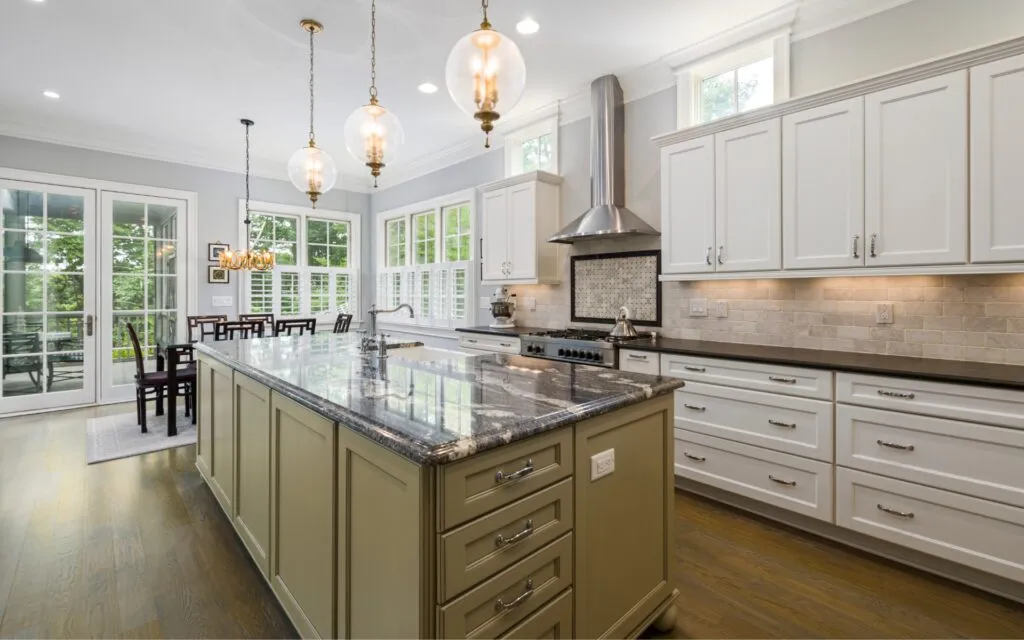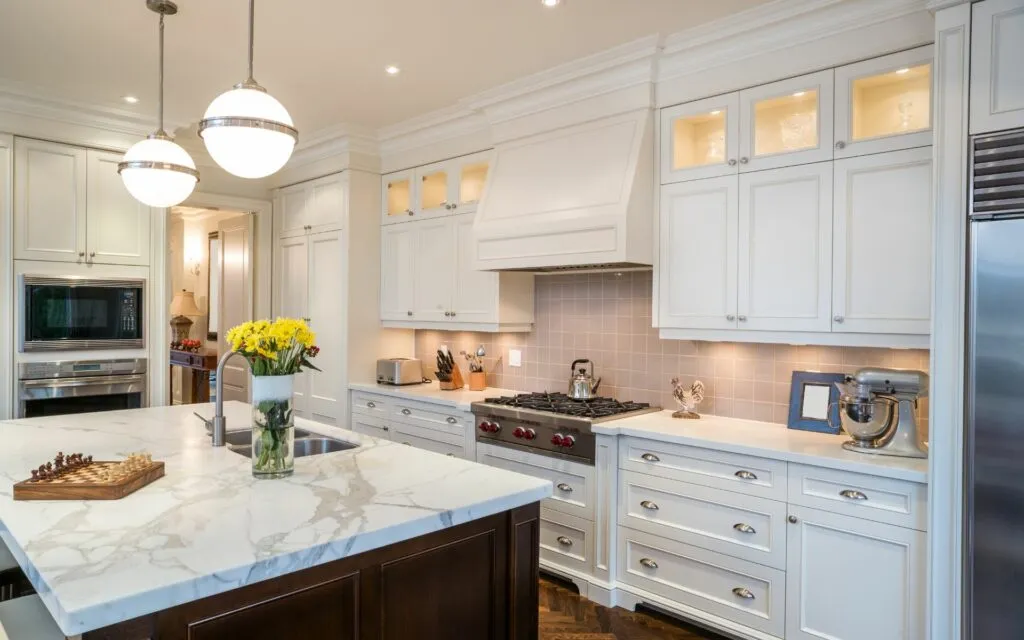
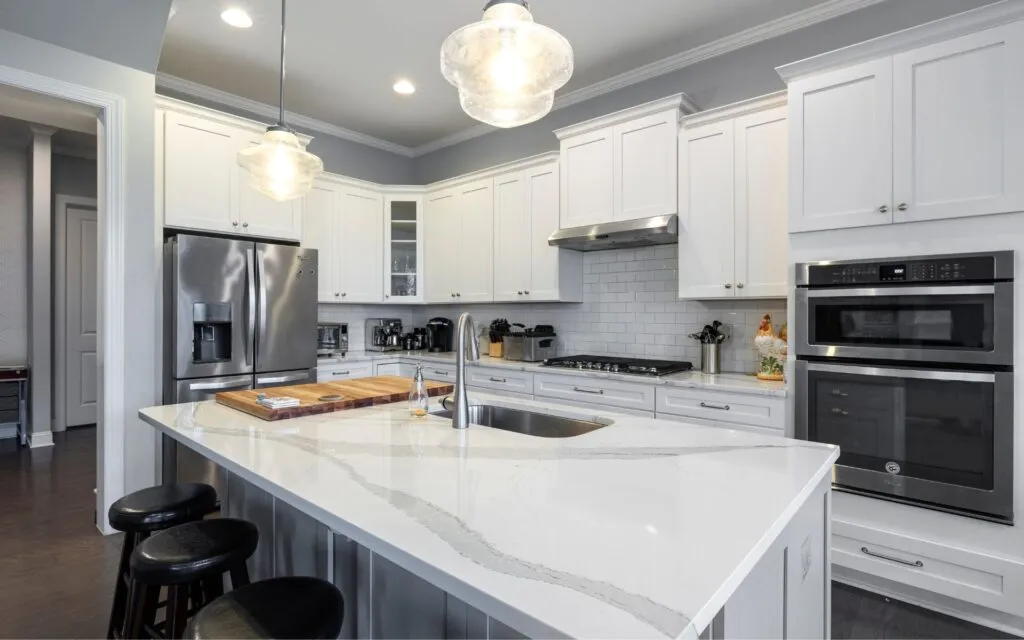

You’re standing in your kitchen, dreaming of a stunning renovation. Marble countertops catch your eye with their timeless elegance and luxurious appeal. But before you commit to this investment, you need to understand the marble countertops pros and cons that come with this beautiful natural stone.
Walking through any countertop store, you’ll notice how marble draws your attention immediately. This natural stone has graced kitchens for centuries, from ancient Roman villas to today’s designer homes. Marble brings undeniable beauty to any space, yet it comes with specific challenges that every homeowner should understand before making their final choice.
The decision to install marble countertops affects your daily life, maintenance routine, and budget for years to come. You deserve to know exactly what you’re signing up for before making this significant home improvement choice.
Marble as a Countertop Material
Before we dive into the pros and cons of marble countertops, let’s talk about what you’re actually getting when you choose this natural stone. Understanding marble’s basic properties helps you make sense of why it behaves the way it does in your kitchen.
Marble forms deep underground when limestone undergoes heat and pressure over millions of years. This geological process creates the distinctive veining patterns that make each slab unique. No two marble countertops look identical, giving your kitchen a one-of-a-kind character. The stone contains calcium carbonate, which gives marble its beautiful appearance but also creates its main weakness. This composition makes marble reactive to acids, leading to etching and staining issues that other countertop materials don’t face.
Popular marble varieties for kitchens include:
- Carrara – Offers subtle gray veining on a white background
- Calacatta – Displays bold, dramatic veining with warmer undertones
- Statuario – Features striking veins against a bright white base
Each type brings different visual impacts and price points to your kitchen project. The rarity and quarry location directly influence the cost and availability of specific marble varieties.
The Advantages of Marble Kitchen Countertops
Now, let’s explore why so many homeowners fall in love with marble despite its challenges. These benefits explain why marble remains a top choice for kitchen renovations, even when other materials might seem more practical.
Unmatched Natural Beauty
Marble delivers a visual impact that synthetic materials struggle to replicate. The natural veining creates depth and movement across your countertop surface. Light plays differently on marble throughout the day, creating subtle color shifts that add life to your kitchen.
This natural variation means your marble countertops become a focal point rather than just a functional surface. Guests notice the unique patterns and rich texture immediately upon entering your kitchen space.
Heat Resistance Benefits
Marble handles heat better than many countertop options. You won’t damage the surface by placing a hot pan directly from the stovetop onto marble. This heat tolerance makes marble practical for serious home cooks who need durable work surfaces.
The stone’s thermal properties also keep marble naturally cool, making it excellent for pastry preparation and bread making. Bakers particularly appreciate this temperature stability when working with temperature-sensitive doughs.
Long-Term Value Addition
Quality marble countertops increase your home’s resale value significantly. Real estate professionals consistently rank natural stone countertops among the top features that attract potential buyers. The investment often pays returns when you decide to sell your home.
Marble’s timeless appeal means your kitchen won’t look dated in ten or twenty years. While trends come and go, marble maintains its classic elegance across different design eras and style preferences.
Durability When Properly Maintained
Well-maintained marble countertops last for decades. The stone itself is incredibly durable and resistant to chips and cracks under normal kitchen use. Proper sealing and care routines protect your investment and preserve the marble’s appearance.
Regular maintenance prevents the most common issues that marble owners face. Following recommended care guidelines keeps your countertops looking pristine for years after installation.
The Drawbacks of Marble Countertops
Here’s where things get real about marble ownership. These challenges aren’t deal-breakers for everyone, but you need to understand what you’re signing up for before you install marble countertops in your kitchen.
Susceptibility to Staining and Etching
Marble’s calcium carbonate composition reacts with acidic substances, creating permanent etching marks. Lemon juice, vinegar, wine, and tomato sauce cause immediate damage upon contact. These reactions happen within minutes, not hours.
Etching appears as dull spots or rings where the acid has literally eaten into the marble surface. Unlike stains, etching requires professional restoration or lives as permanent damage on your countertops.
Porous marble also absorbs liquids readily, leading to staining issues. Coffee, red wine, and cooking oils penetrate the surface and create discoloration that’s difficult to remove without professional treatment.
High Maintenance Requirements
Marble demands daily attention to maintain its appearance. You must clean spills immediately and use only pH-neutral cleaners designed for natural stone. Regular cleaning products contain acids that damage marble over time.
Sealing requirements add another layer of maintenance responsibility. Stone care experts recommend resealing most marble every six to twelve months, depending on usage patterns and the specific marble type you choose.
The maintenance routine includes specialized cleaning products, immediate spill cleanup, and professional restoration services for damage that occurs despite your best efforts.
Cost Considerations
Installing marble countertops represents a significant financial investment. Material costs range from moderate to extremely expensive depending on the marble variety and slab size requirements. Rare marbles command premium prices that exceed other natural stone options.
Installation requires skilled professionals familiar with marble’s specific handling requirements. Labor costs reflect this specialized knowledge and the precision needed for proper marble installation.
Ongoing costs include specialized cleaning products, regular sealing services, and potential restoration work for damage that occurs during normal use.
Limited Practical Applications
Marble works better in some kitchen areas than others. High-traffic zones around sinks and food preparation areas face more risk of damage from daily use. Heavy cooking households may find marble too delicate for their lifestyle needs.
Families with young children often struggle with marble’s maintenance demands. Kids spill drinks and drop items that create immediate damage requiring quick action to prevent permanent marks.
Check This Before Buying Marble Slabs
Smart marble shopping goes beyond picking pretty patterns. You need to evaluate each slab carefully to avoid expensive mistakes and ensure your chosen marble works well in your specific kitchen situation.
Inspect for Natural Flaws
Every marble slab contains natural characteristics that affect its appearance and structural integrity. Look for hairline cracks, called fissures, that occur naturally during the stone’s formation. These fissures don’t compromise structural integrity but affect the visual appearance.
Check for color consistency across the entire slab. Natural variation is expected, but extreme color shifts might not work well in your kitchen design. Bring fabric samples or paint swatches to verify color compatibility.
Examine the veining patterns carefully. Some veining enhances the marble’s beauty while other patterns might create visual chaos in your specific kitchen layout.
Understand Thickness Options
Marble slabs come in different thickness options, typically ranging from 2cm to 3cm. Thicker slabs provide more strength and visual weight but increase material and installation costs significantly.
Your cabinet structure must support the chosen thickness. Thicker marble requires additional structural support that might not exist in your current kitchen setup.
Discuss thickness implications with your fabricator before making final decisions. The choice affects edge profile options and installation complexity.
Verify Sealing Requirements
Different marble varieties require different sealing approaches. Some dense marbles need minimal sealing while porous varieties require frequent attention. Understand your specific marble’s sealing schedule before purchase.
Ask about factory sealing versus field sealing options. Some suppliers provide pre-sealed slabs while others require sealing after installation. This timing affects your project schedule and initial maintenance requirements.
Request documentation about recommended sealers for your specific marble type. Using the wrong sealers creates more problems than benefits.
Considerations When You Install Marble Countertops
Getting marble installed properly makes the difference between countertops that last decades and ones that develop problems within months. Here’s what you need to know about the installation process and what it means for your kitchen renovation timeline.
Professional Installation Requirements
Marble installation requires experienced professionals who understand the stone’s specific handling needs. Improper installation leads to cracking, uneven surfaces, and premature damage that affects both appearance and function.
Qualified installers provide proper template creation, precise cutting, and appropriate support structures. They also handle sealing and final finishing to ensure your marble performs well from day one.
Research installer credentials and review previous marble projects. Not all countertop installers have equal experience with marble’s unique requirements.
Timing and Project Coordination
Marble installation typically requires longer lead times than other countertop materials. Slab selection, fabrication, and installation coordination take several weeks from order to completion.
Coordinate marble delivery with other kitchen renovation phases. The stone arrives at specific points in the construction schedule and requires proper storage until installation day.
Plan for limited kitchen access during installation. Marble installation is dusty and requires a clear workspace for several days, depending on project complexity.
Support Structure Evaluation
Your existing cabinets must support marble’s weight properly. Standard cabinets handle most countertop materials, but marble’s density requires evaluation of support adequacy.
Additional support brackets or reinforcement might be necessary depending on overhang requirements and cabinet construction. Discuss support needs with your installer during the initial consultation.
Factor support modifications into your project timeline and budget. Structural changes add time and cost to marble installation projects.
Is Marble Right for Your Kitchen?
According to Angi, marble countertops require immediate attention to spills and regular sealing to maintain their appearance and prevent damage. This maintenance reality affects daily kitchen routines and long-term satisfaction with your investment.
The homes that showcase marble best tend to have owners who genuinely enjoy the daily care routine. They find satisfaction in maintaining something beautiful rather than viewing it as a chore. If wiping down counters with special cleaners and watching what you set down sounds tedious rather than worthwhile, marble probably isn’t your best choice.
Your kitchen renovation deserves careful planning and expert guidance. American Quartz & Granite helps homeowners navigate these important decisions every day. Contact us to discuss your kitchen renovation plans and discover which materials align with your needs, preferences, and maintenance comfort level. Your dream marble kitchen is waiting.