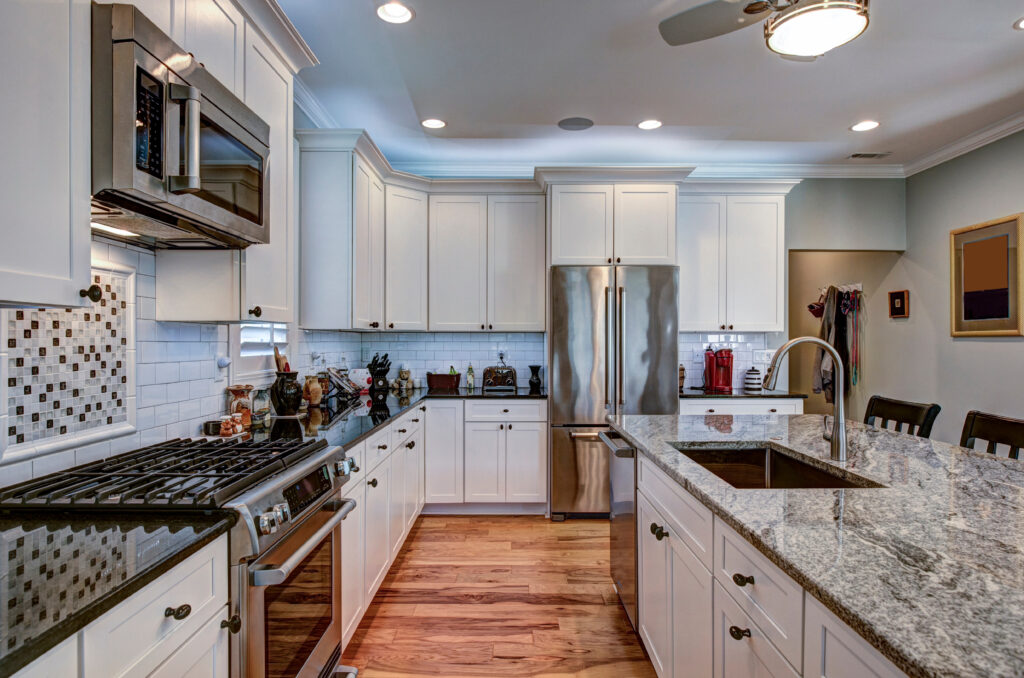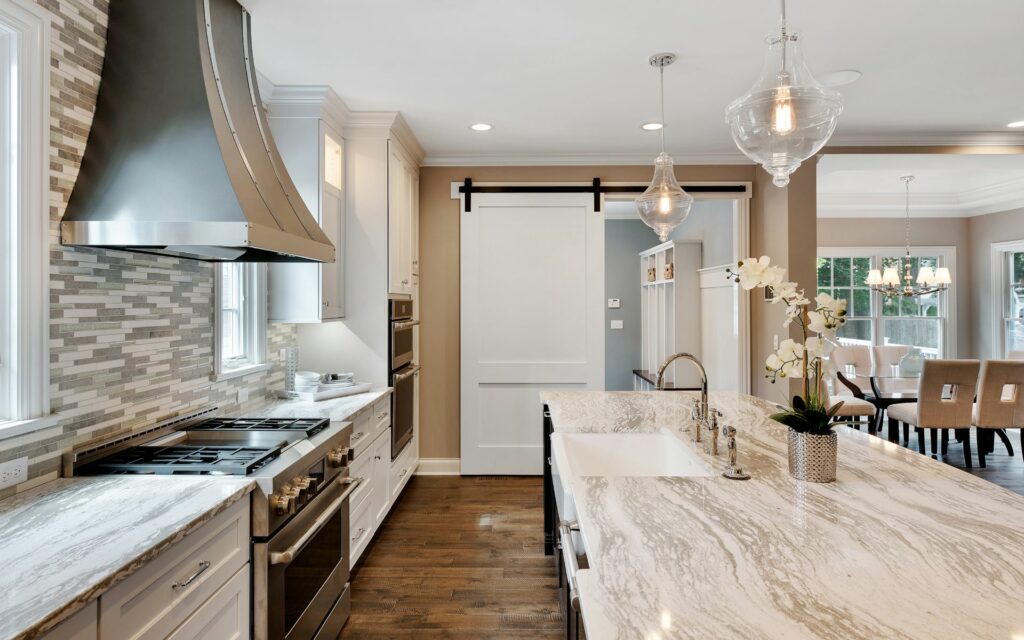
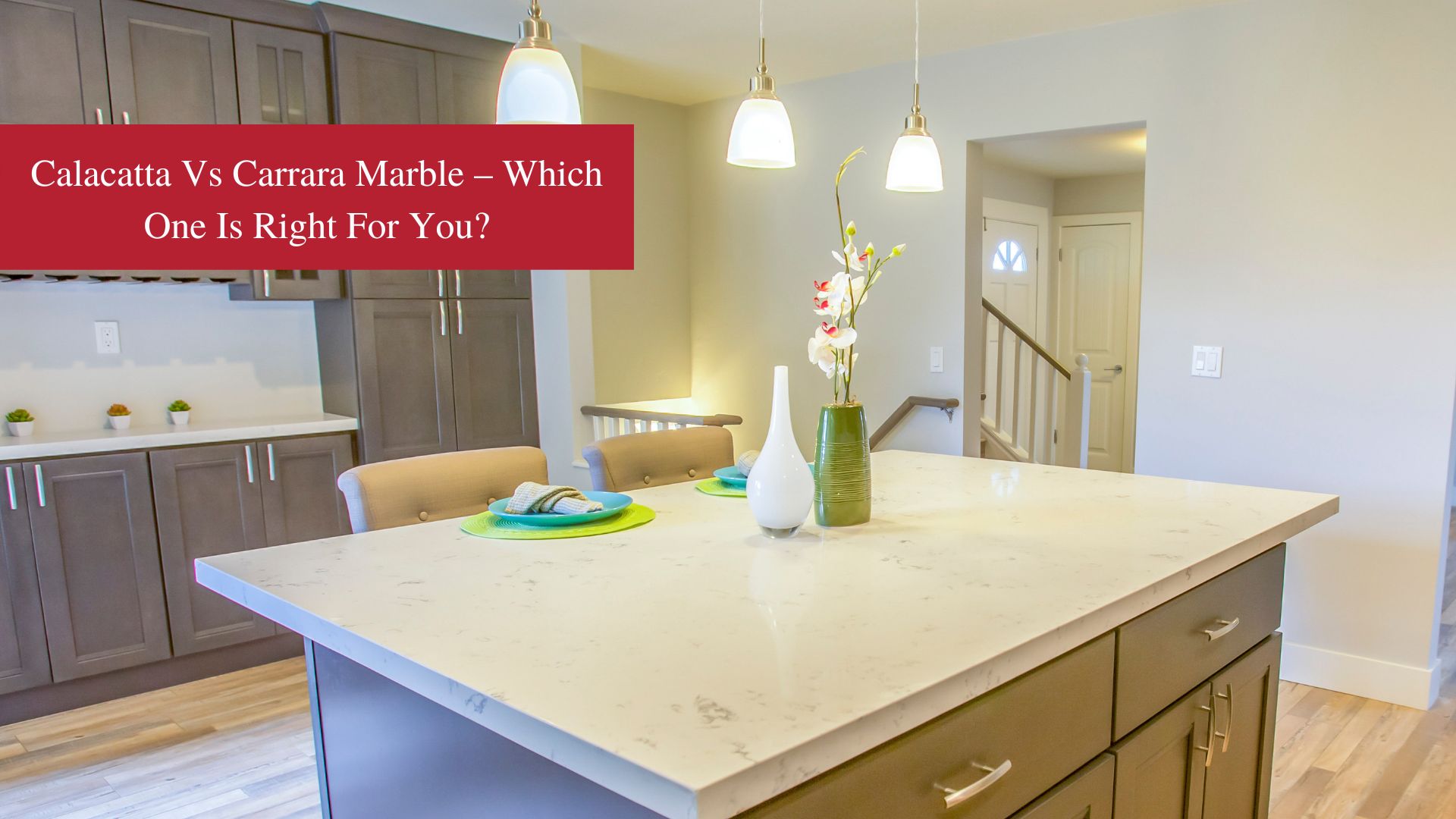
Though both look very similar, they are very distinctive. If you are confused about which one to choose for your home, here we decode both the Calacatta vs Carrara marble to make that decision-making process a little easier for you.
Carrara Marble
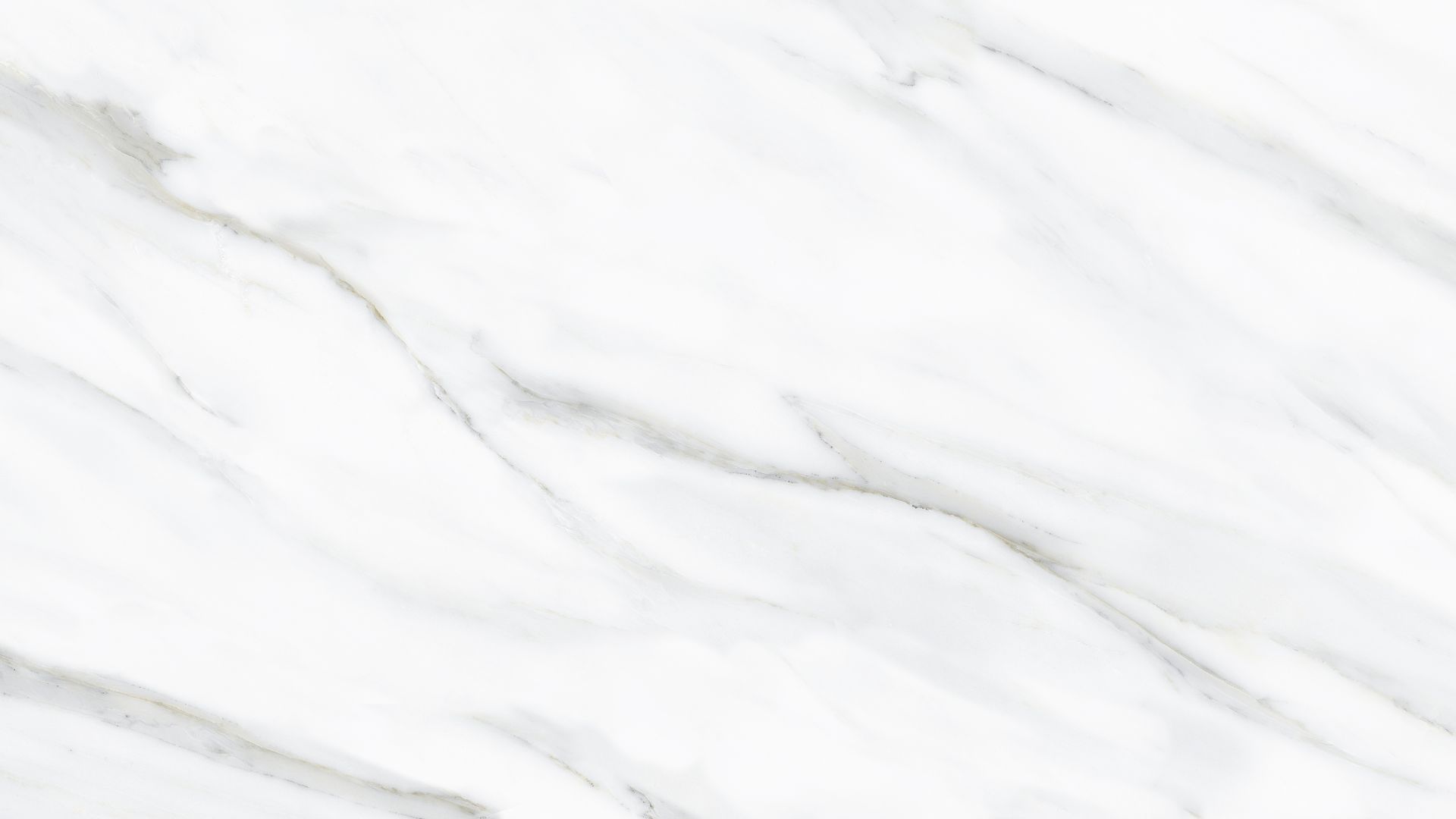
Originating from Carrara, Italy, Carrara marble is named after the place and is also the most common marble found in Italy. Carrara marble has got this subtle light grey veining all over it. This light grey veining can sometimes look a little blueish to the naked eye.
It also has these soft feather grains that can instantly make anyone looking at it fall in love with it. For all these reasons, Carrara marble is considered to be much smoother looking than Calacatta marble.
Each slab of Carrara marble is created from one block, giving you an incredibly unique look all over the floor or your countertop. When installed by a professional, you get to see all the grains and the veins arranged to give out a uniquely beautiful design.
Likewise, no two Carrara marble surfaces have the same design, retaining the design’s uniqueness.
Calacatta Marble
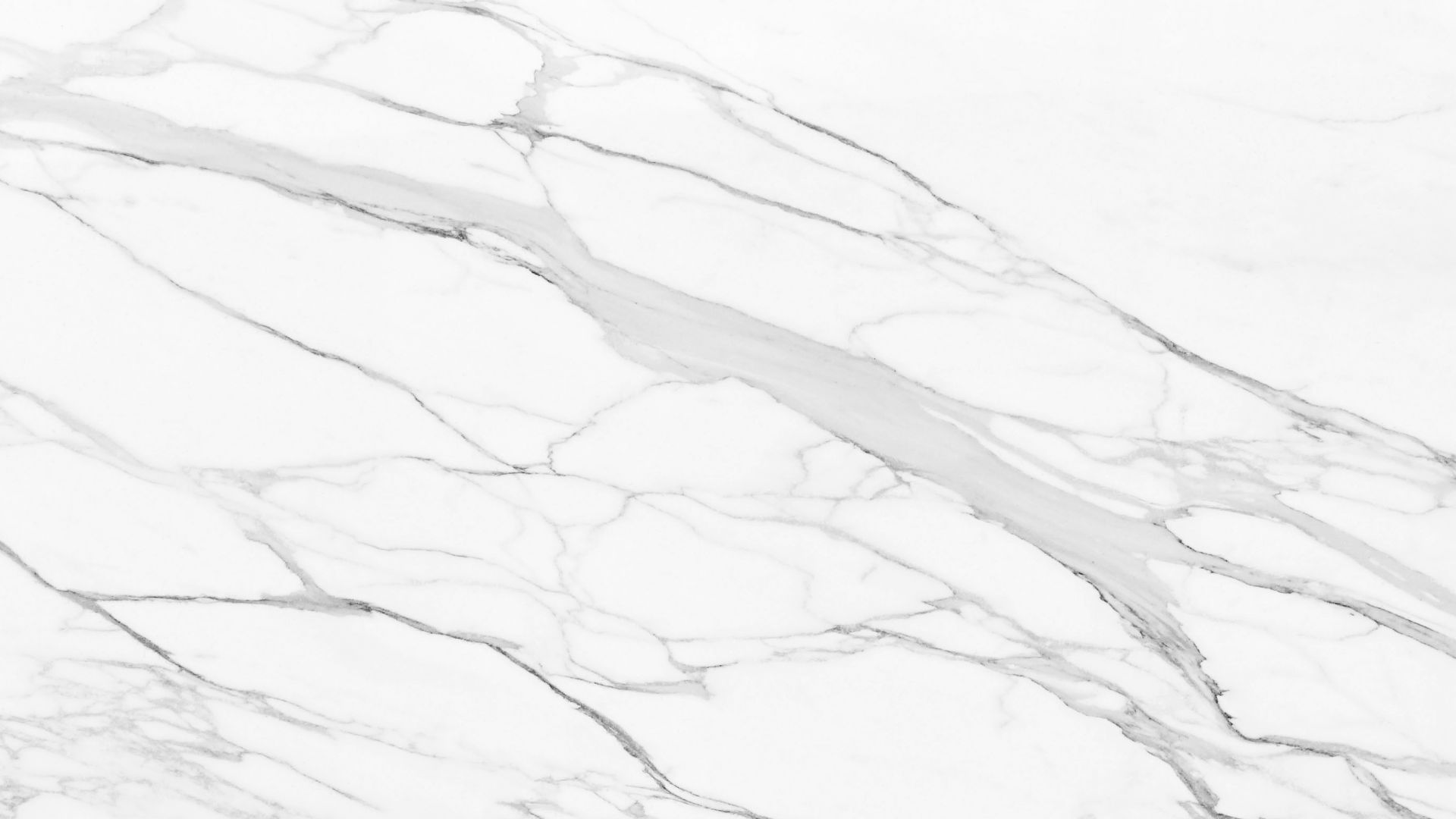
If, like many people, you too associate white with luxury, then Calacatta marble can be your best choice. Why? Calacatta marble is much whiter than Carrara marble. It is thick white with bright veins in various colors, starting from beige up to gold.
Calacatta marble is much smoother than Carrara marble. Its beautiful, bright white features are a go-to marble for Bathroom floors and kitchen countertops for years. If bright, dramatic veins are your thing, then Calcatta marble is the way to go.
Using Carrara Marble in the Bathroom
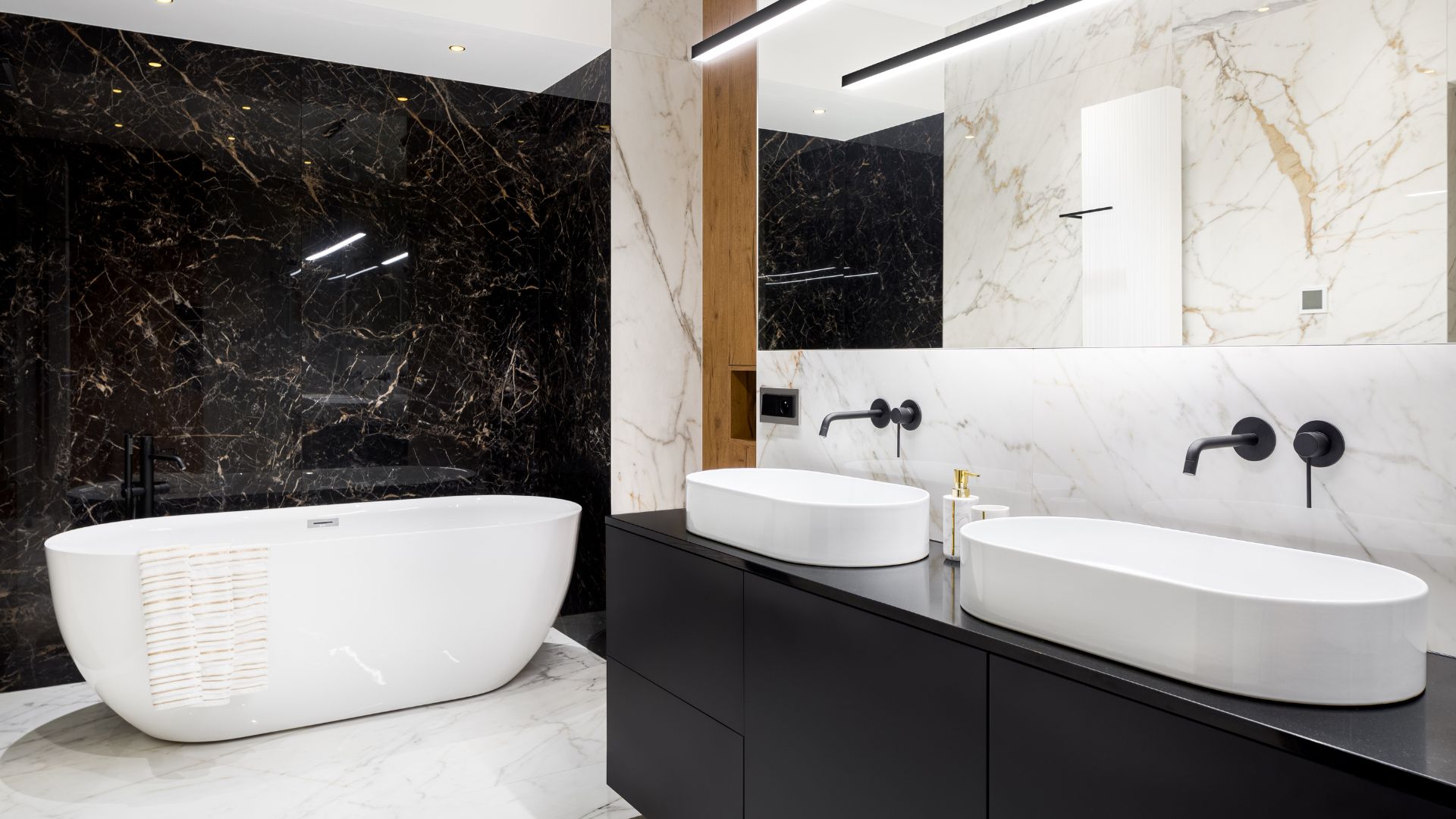
Carrara marble can make your bathroom look stunning. With its little darker color, installing Carrara marble can turn your bathroom into a wonderful sanctuary with all the light grey veining.
But if you have a sink made up of Carrara marble, you should be cleaning it up regularly as you would not want moisture to stay up there for long.
This can look amazing for years rather than dull and fade in a pretty short time with regular maintenance. For this same reason, Carrara marble is best when used for countertops.
That said, countertops are prone to water, so no matter where you use them, keep up with the maintenance to get a long life from Carrara marble.
Using Calacatta Marble in the Bathroom
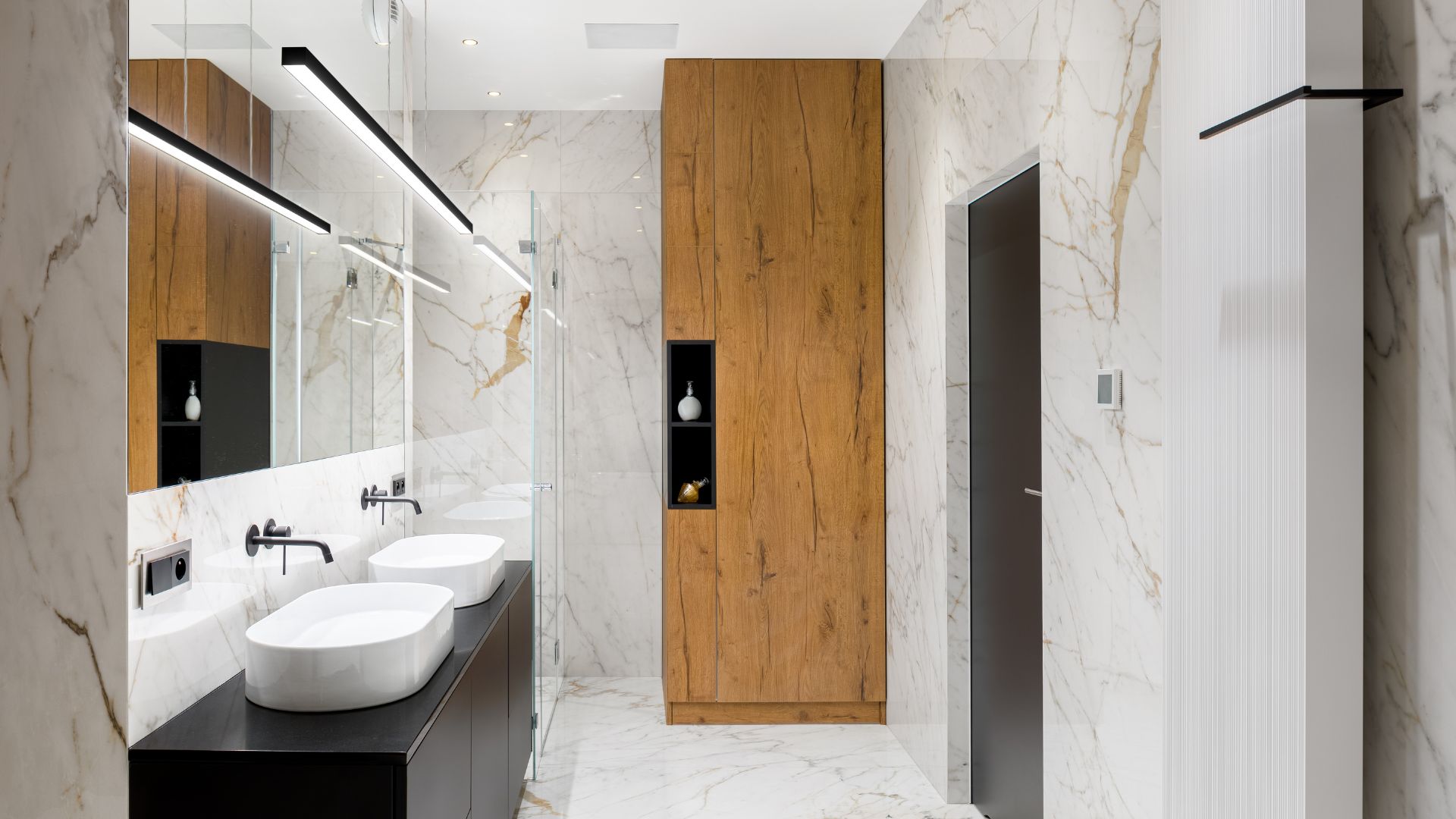
As Calacatta marble is expensive, most homeowners avoid buying it in the first place. But if you can look past that, Calacatta marble can bring incredible luxury into your bathroom.
With a fantastic backsplash, you add royalty to your bathroom with Calacatta marble. But Calacatta marble requires a great deal of maintenance because of its porous nature. You need to clean the surface regularly, and it also needs to be sealed frequently and adequately.
As it is very white, it almost sucks up everything thrown at it, so you should be very serious about cleaning and should inculcate a strict cleaning regime into your schedule. Also, never use any kind of cleaners with acidic properties in them.
It’ll affect the marble in unprecedented ways. So, always try to use a cleaner that is specifically made for marble. This will keep your marble surface great for years. You don’t want to ruin it after spending a fortune on it.
Using Carrara Marble in the Kitchen
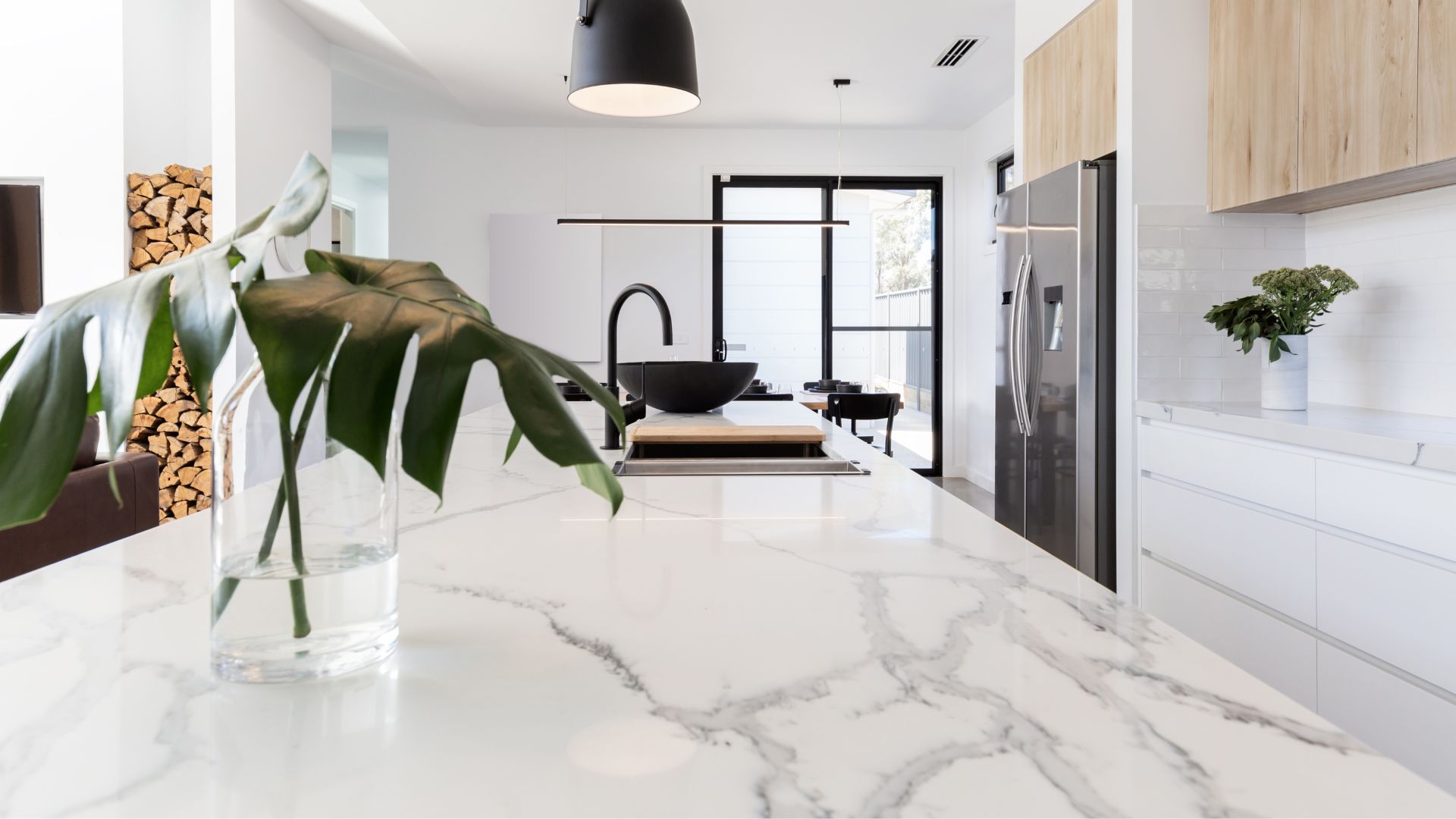
Carrara marble brings a sense of style into your kitchen, especially when used on the countertops. With its light color and elegant veins, using Carrara marble in your kitchen can make your kitchen look more spacious, keeping people eating and cooking in the kitchen at ease.
Carrara marble works great in kitchens due to its little darker shade and with a lot of veins. This helps you hide those coffee spills, wine spills that happen more often than you would want to.
That said, Carrara marble requires regular cleaning and occasional polish to keep the elegant look intact. Using stone sealers will give you maximum protection against staining and etching. This helps you if you are not much into cleaning.
Using Calacatta Marble in the Kitchen
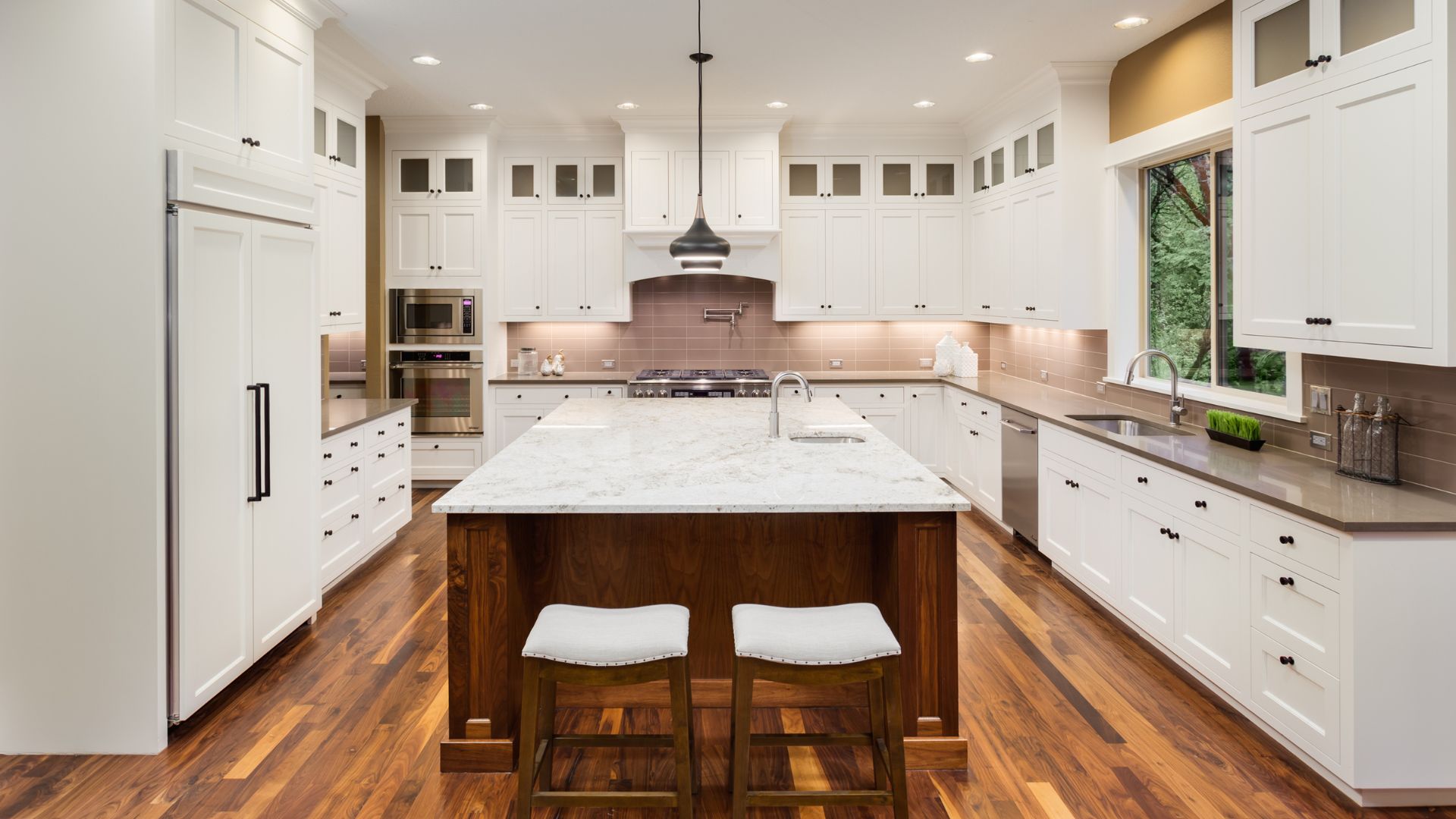
Calacatta marble is white, looks elegant, luxurious, and can be used anywhere in your home, and this includes your kitchen. But using Calacatta marble comes with its very own maintenance responsibilities.
Though both Calacatta vs Carrara marble gets stained easily, the stains are much more visible on the Calacatta marble – due to its apparent white color. Both the marbles are porous and need a lot of maintenance. But Calcatta marble wins here as it tends to attract more care than the Carrara marble.
However, because Calacatta marble looks elegant and can bring absolute luxury into your kitchen, you may still choose to go with Calacatta marble.
There are ways you can make it work even if you make that decision. You must be more vigilant towards the stains and clean them immediately after it happens.
Keep sealing and resealing your marble to prevent etching and premature aging. Remember, things like heavy pans are always bound to slip from your hands, thus chipping off your precious marble.
As Calacatta marble is costlier than Carrara marble, it is always advised to consider things like this while making the decision.