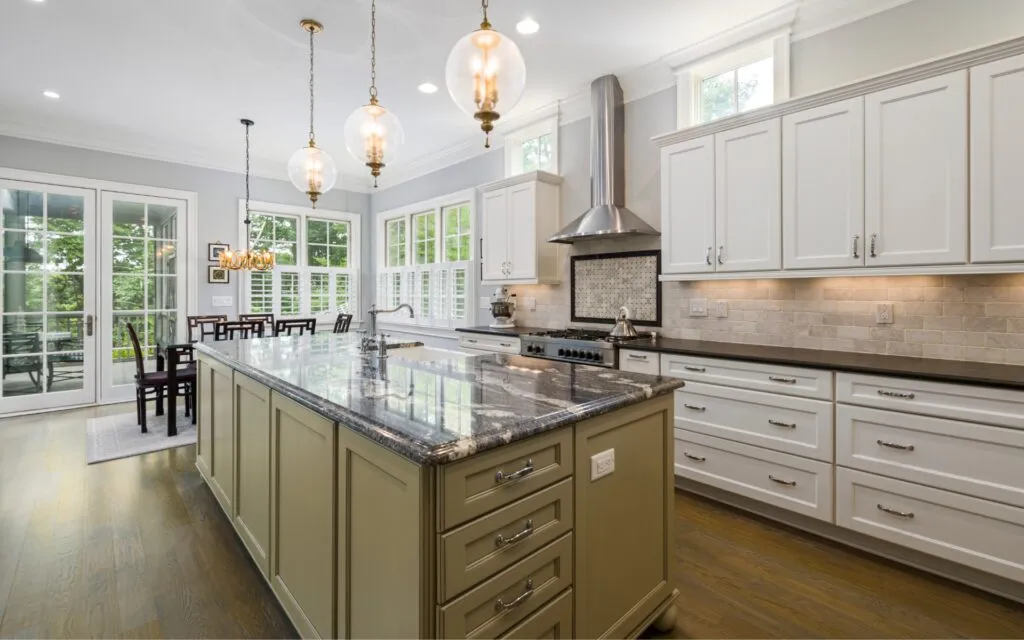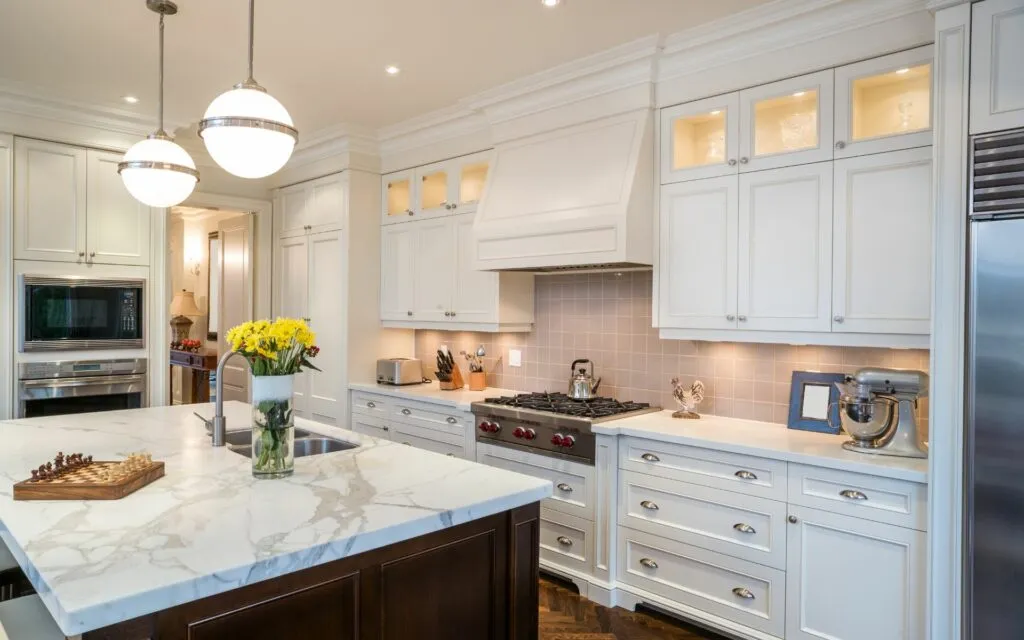
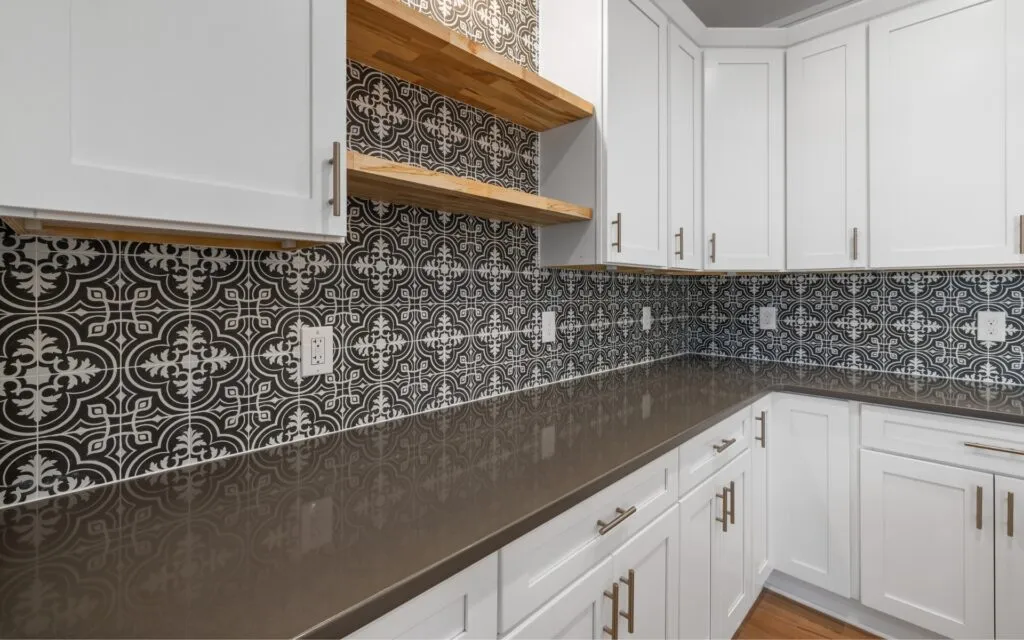

When you decide to remodel your kitchen, countertops quickly become one of the biggest line items in your budget. Granite and marble look amazing, but those materials will drain thousands from your renovation fund before you even think about cabinets or appliances. On top of that, premium stone prices stay pretty fixed, so you won’t find many deals or discounts. The reality is that you don’t need exotic materials to get countertops that look good and last for years. Plenty of affordable countertop materials on the market today combine great looks with solid performance.
The countertop market has changed dramatically over the past decade. You have more options than ever before, and many of them perform just as well as premium materials at half the cost. This guide walks you through the best kitchen countertop available today, what they cost, and how to choose the right one for your kitchen.
Understanding Countertop Costs
Before you start shopping for affordable countertop materials, you need to understand what you’re actually paying for. According to HomeAdvisor, countertop materials for a typical 55-square-foot kitchen average around $2,200 total, with most projects falling between $825 and $3,850. That breaks down to roughly $15 to $70 per square foot for most homeowners.
The range across all materials is huge. Ceramic tile can start as low as $1 per square foot, while specialty marble can hit $190 per square foot. These prices depend heavily on availability, popularity, and where you live.
Three main factors control your final bill beyond just the material cost. First is installation complexity. A simple, straight countertop with one or two sections costs far less to install than one with multiple cutouts, angles, or seams. Second is the edge treatment you choose, which adds $10 to $50 per linear foot, depending on how fancy you go. Third is any extras like backsplashes, undermount sinks, or custom features that require additional fabrication work.
1. Laminate: The Most Affordable Type of Countertop
Laminate gets a bad reputation because people associate it with outdated kitchens from the 1980s and 1990s, but modern laminate looks nothing like those old options. Manufacturers now produce patterns that mimic marble, wood, concrete, and stone with shocking accuracy, and you often have to touch the surface to tell the difference from the real thing.
Laminate Cost and Installation
Laminate runs $10 to $40 per square foot when you include installation, making it the cheapest countertop option for most kitchens. A typical 30-square-foot kitchen costs $300 to $1,200 for laminate countertops, which leaves plenty of room in your budget for other upgrades like new appliances or cabinet hardware.
Installation takes one to two days from start to finish. Most fabricators can template your space, build your countertops in their shop, and install them within a week of ordering, which means minimal disruption to your daily routine.
Best Uses for Laminate Countertop
Laminate works well for rental properties where cost matters most and you need something that looks good without breaking your investment budget. It also makes sense for secondary surfaces like laundry rooms or wet bars, where appearance matters but you don’t need the durability of stone. Consider laminate for kitchens where you plan to renovate again in 10 years or homes where you need to save money for other renovations that take priority over premium countertops.
2. Butcher Block: A Cheaper Alternative with Natural Beauty
Wood countertops bring warmth to kitchens in a way that stone and synthetic materials simply cannot match. The grain patterns, the texture under your hands, and the way they age over time create a look that feels organic and inviting rather than sterile and cold.
Butcher block costs $30 to $80 per square foot when you include installation, which puts it in the middle of the affordability spectrum for countertop materials. This price point makes it accessible for homeowners who want something more interesting than laminate but cannot afford high-end quartz or granite throughout their entire kitchen.
Types of Wood
You have several species to choose from, each with different characteristics and price points.
- Maple is hard, dense, and light-colored, making it the standard choice for butcher block countertops. It resists denting better than softer woods and costs less than exotic species like walnut or cherry.
- Oak shows prominent grain patterns that some people love and others find too busy for their taste. It costs less than maple but is softer, which means it dents more easily under heavy use.
- Walnut is dark and rich with chocolate tones that create stunning visual contrast against white cabinets. It costs more than maple or oak but creates a high-end look at a fraction of what you’d pay for exotic stone.
- Cherry ages to a deep red tone over time as it’s exposed to light, changing from its initial pale pink color to a warm reddish-brown. It sits in the mid-range for pricing and durability.
Where Wood Works Best
Use a butcher block for island countertops where you prep food and want a dedicated cutting surface that doesn’t require a separate cutting board. It also works well for small sections that add visual interest to an otherwise all-stone kitchen. Consider wood for homes where you embrace the natural aging process and view scratches and patina as character rather than damage. Butcher block fits perfectly in kitchens with a farmhouse or traditional style where natural materials feel authentic.
3. Tile: The Cheapest Way to Get New Countertops with DIY Installation
Ceramic and porcelain tile offer something unique among affordable countertop materials: you can install them yourself with basic tools and save hundreds of dollars in labor costs while still getting a professional-looking result.
Material costs run $5 to $30 per square foot for tile, depending on the size, style, and quality you choose. Professional installation adds $10 to $20 per square foot to your total bill. Do it yourself and you’re looking at one of the most budget-friendly options available, with total costs often coming in under $500 for an average kitchen.
Material Choices
- Ceramic tile is the cheapest option and has glazed surfaces that resist stains and moisture effectively. It’s less durable than porcelain and will chip more easily if you drop heavy pots or pans on it.
- Porcelain tile is denser and harder than ceramic because it’s fired at higher temperatures. It costs slightly more but lasts longer and resists chips better, making it worth the extra investment for kitchen countertops that see heavy use.
- Glass tile is beautiful with its translucent quality and bright colors, but it’s expensive and works better as an accent than a full surface. Consider using glass tile for a small backsplash area rather than your entire countertop.
- Natural stone tile made from travertine and slate provides an authentic stone look at a fraction of what you’d pay for slabs. You get the real material without the premium price of larger pieces.
4. Solid Surface: A More Affordable Alternative to Large Slabs
Solid surface materials blend affordability with performance in a way that few other options can match. Corian is the most recognized brand name, but several manufacturers produce similar acrylic-based countertops that cost $35 to $85 per square foot when you include installation.
Benefits of Solid Surface
Seamless appearance is one of solid surface’s biggest advantages because fabricators join sections with invisible seams that you cannot see or feel. Your countertop looks like one continuous piece, even if it’s actually made from multiple sections, which creates a clean, modern look.
Repairable surfaces mean that scratches and burns sand out with fine-grit sandpaper and some elbow grease. Deep damage requires a professional to fix, but repairs are possible rather than requiring full replacement, like you’d need with laminate or tile.
Non-porous construction means nothing soaks into the solid surface, so bacteria and mold have nowhere to hide. This makes solid surface one of the most hygienic options available and eliminates the need for sealing, like you’d need with granite or concrete.
5. Quartz: The Most Durable Countertop Material at Mid-Range Prices
Quartz countertops dominate new construction and remodels because they combine durability with low maintenance in a package that works for almost any design style. These engineered surfaces combine natural quartz with resins to create nearly indestructible countertops that resist stains, scratches, and heat better than most natural stone options.
Prices range from $50 to $120 per square foot when you include installation, which lands quartz in the upper range of affordable countertop materials. This price point makes it accessible for homeowners who want premium performance without paying for exotic granite or marble.
Why Quartz Performs
Quartz is 90% to 94% ground natural stone, which gives it the hardness and durability of granite. The remaining percentage is polymer resins and pigments that bind the quartz together and add color or pattern. This combination creates a surface harder than granite with none of granite’s maintenance needs.
Heat resistance reaches 300 degrees for most brands, which isn’t as high as natural stone but handles normal cooking without damage. You can place hot pans on quartz briefly without leaving marks, though you should still use trivets for extended contact.
Scratches are rare with quartz because the material is harder than most kitchen knives and tools. You’d need to work hard to scratch quartz with normal kitchen use, though you should still use cutting boards to protect both the surface and your knives.
6. Concrete: Custom Looks at Affordable Prices
Concrete countertops create industrial, modern aesthetics that work perfectly in loft apartments, contemporary homes, and spaces where you want a raw, unfinished look. They cost $65 to $135 per square foot for professional installation, but DIY installation drops material costs to $20 to $40 per square foot if you’re willing to do the work yourself.
When to Choose Concrete
It works for modern or industrial design schemes where the raw material aesthetic fits your vision. Consider it for homeowners who enjoy maintenance as part of ownership and see caring for their countertops as a rewarding activity rather than a chore. It’s ideal for custom projects where you want unique features that no one else has. Concrete also performs well in outdoor kitchens where durability matters more than pristine appearance, and weathering adds character.
7. Recycled Glass: Eco-Friendly
Recycled glass countertops embed colored glass pieces in concrete or resin bases to create colorful, unique surfaces that catch light beautifully. They cost $50 to $100 per square foot when you include installation, which puts them in the middle range for affordable countertop materials for kitchen renovations.
Environmental Benefits
These surfaces use post-consumer glass that would otherwise fill landfills, giving new life to bottles, windows, and other glass products. Some manufacturers use 80% to 100% recycled content, making recycled glass one of the most environmentally responsible choices available.
The glass comes from sorted waste streams where manufacturers separate glass by color before crushing it into various sizes. They then embed these pieces in a base material to create the final countertop surface.
8. Granite Remnants: Premium Looks at Bargain Prices
Granite remnants are leftover pieces from large slabs that fabricators keep in their warehouses after completing bigger jobs. Fabricators sell them at steep discounts because they take up valuable warehouse space and don’t generate income just sitting on racks.
You’ll pay $30 to $60 per square foot for remnants versus $60 to $100 for full slabs of the same material. This pricing makes granite remnants one of the best values in affordable countertop materials for kitchen renovations, especially for smaller spaces where you can work within the size constraints.
Finding Affordable Countertop Materials Using Remnants
Call local fabricators like American Quartz & Granite and ask about their remnant inventory, which changes constantly as they complete jobs and add new pieces. Visit their warehouses to see what’s available in person because colors and patterns look different under showroom lighting than they do in photographs.
Remnants work perfectly for small kitchens under 35 square feet, where you can fit your entire countertop layout within one or two remnant pieces. They’re ideal for bathroom vanities that only need small sections. Consider remnants for islands or peninsulas that serve as accent pieces rather than matching your main countertops. They also work well for laundry room counters where appearance matters, but you don’t want to spend premium prices.
Which Affordable Countertop Materials Fit Your Kitchen?
You’ve seen the options, and now you need to choose the right material for your specific situation. Start by answering these questions honestly.
- How long will you live in this house? If you’re selling in three years, choose laminate or tile and save your money for the next house, where you’ll enjoy premium materials for longer. If you’re staying for 15 years or more, invest in quartz or granite that will last without needing replacement.
- How do you use your kitchen? Heavy cooking with multiple meals per day needs durable surfaces like quartz or granite that resist heat and stains. Light use, where you mostly reheat food and make coffee, tolerates softer materials like laminate or solid surface.
- What’s your total budget? Include installation costs, plumbing modifications for new sinks, and backsplash materials in your calculations. Don’t forget edge treatments and any special features like integrated drainboards.
- How much maintenance will you realistically do? Be honest with yourself rather than aspirational. If you won’t seal granite twice per year or oil butcher block monthly, don’t buy materials that require this level of care.
Work with American Quartz & Granite
The most affordable type of countertop isn’t always the one with the lowest price tag. At American Quartz & Granite, we help homeowners find affordable countertop materials that fit their budgets and lifestyles without compromising on quality or appearance. We stock quartz, granite, and other materials at competitive prices that beat big-box retailers. Call us to discuss your project and get honest advice about which materials work best for your specific situation. We provide free estimates, professional installation, and transparent pricing with no hidden fees or surprise charges. You get quality surfaces without the premium prices charged by national chains that spend millions on advertising.